I’ve been to the Expo 29 times so far, and what stays in my memory isn’t only the pavilions — it’s the food experiences.
In this article, I’ll share some of the most unforgettable dishes I’ve tried at the Expo. Each one made me realize, “There are so many amazing local cuisines in the world!”
From surprising flavors to cultural discoveries, every meal was a small journey in itself. I’ll also share some tips on how to get into restaurants smoothly, which might help those planning a last-minute visit.
I hope this guide gives you a taste of the Expo’s global dining adventure before it’s gone.
1) Belgian Mussels — A Meal I’ll Remember for the Rest of My Life
In early September, I went to the Expo with my uncle (79) and aunt (75) — our second visit together. Their biggest wish was to experience food from around the world.
Until then, I had always focused on getting into pavilions rather than restaurants. But this time, I asked a foodie friend who holds a season pass for recommendations. They said, “The Belgium Pavilion is the best.” So right after entering the East Gate at 11:00, we headed straight there. And the result? I’m so glad I trusted that advice — it was perfect!
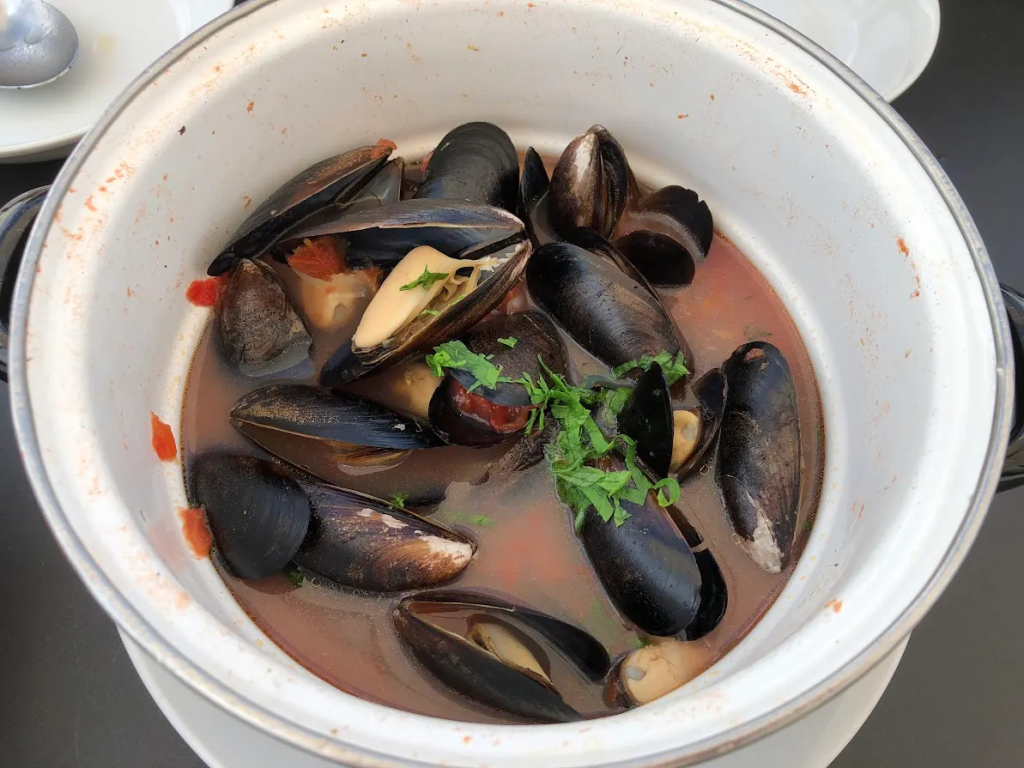
You can choose from four flavors — white wine, garlic butter, tomato sauce, and miso cream. We ordered two kinds: garlic butter and tomato sauce. The tomato one, with a touch of celery, was my favorite. A half portion costs ¥2,000, and a full portion is double.
When we arrived, the restaurant line had been temporarily stopped. Then a staff member asked, “Would anyone like an outdoor table?” No one raised their hand — so I did! The weather was perfect, the parasols were large and sturdy, and we had a great view of the Grand Roof Ring. It turned into one of those unforgettable meals where everything — food, atmosphere, and company — aligned beautifully.
I’m sure my uncle, aunt, and I will keep talking about that meal for the rest of our lives. Everything was flawless — taste, mood, and memory. I even thought, “If there were a restaurant like this in town, I’d go for the rest of my life.”
When I visited again alone one evening around 7 p.m., I was lucky to get in. I ordered the chicken confit — perfectly cooked, with a rich balsamic sauce. Every main dish comes with potatoes, and I was completely full. Belgians really do treat potatoes as a staple! Later, I learned that frites — Belgian-style fries — are considered a national dish, typically eaten with mayonnaise. Without realizing it, I had done it the Belgian way.
Most main dishes are around ¥3,000–¥4,000. The chicken confit with wine cost ¥4,180 in total — very reasonable compared to other international pavilions where even a bento can be ¥4,000. To enjoy a hot, perfectly plated meal in such a beautiful setting felt like pure joy. It may sound exaggerated, but dining at the Belgium Pavilion truly felt like a reward meal of my life.
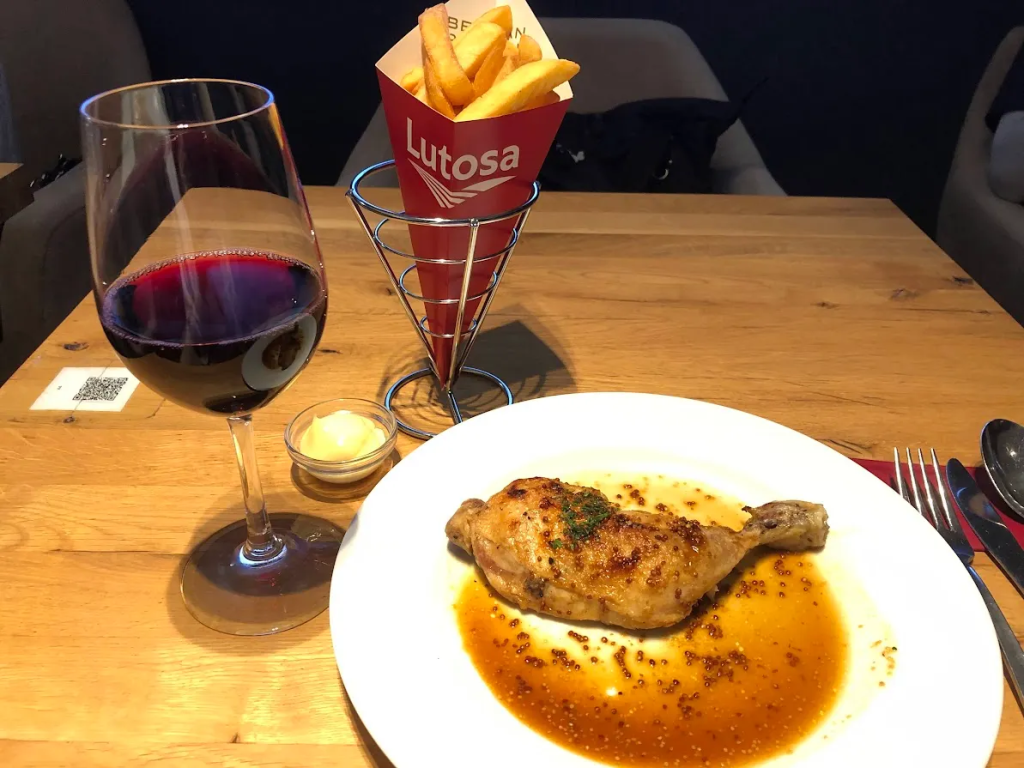
I’m not a big drinker — usually just one glass. But the food was so good that I wanted something to go with it, so I tried a non-alcoholic wine. Until then, I had never found alcohol-free drinks delicious in Japan, but that changed here. For the first time ever, I thought, “Non-alcoholic wine can actually taste amazing!” The non-alcoholic beer I had with the mussels was slightly fruity and refreshing — just my taste. Next time, I want to go back alone for the mussels again, with non-alcoholic white wine and fries.
Prices:
- Mussels (half, 500g, about 30 pieces): ¥2,000
- Chicken confit with potatoes: ¥3,280
- Vintens Merlot (non-alcoholic wine): ¥900 / glass
- Hoegaarden Zero (non-alcoholic beer): ¥1,000
2) Australia’s Classic Dessert — Lamington
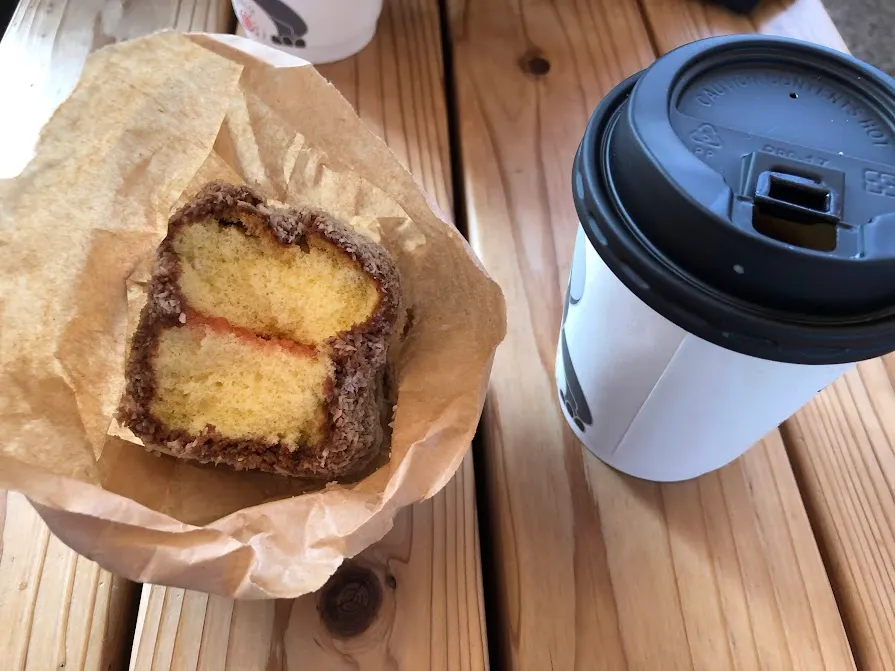
Next up is something lighter and easier to grab while strolling around: Australia’s famous dessert, Lamington.
I had seen it on social media and was eager to try. I expected a simple sponge cake at room temperature, but it was delightfully chilled! The coconut flakes outside and the jam inside were both perfectly balanced. I splurged a little and added an iced café au lait — a ¥1,300 treat worth every yen.
Even though the Expo has been packed with visitors lately, the food counter at the Australia Pavilion is surprisingly efficient — about a 5–10 minute wait. With five order/payment counters, it moves much faster than most others.
Prices:
- Lamington: ¥650
- Iced café au lait: ¥650
3) Tasting the World at Kura Sushi (Osaka–Kansai Expo Branch)
Before the Expo opened, my family bought a guidebook from Pia, and the place that caught everyone’s eye was Kura Sushi (Expo branch). The reason? Besides sushi, you can try signature dishes from over 70 participating countries and regions as side menu items.
Kura Sushi requires reservations, which can be competitive like pavilion bookings. But cancellations or counter openings do happen. I’ve managed to dine there three times out of five attempts — twice solo at the counter and once with a friend at a table. The trick is to avoid peak meal hours.
Out of about 20 dishes I tried across three visits, these six stood out:
- Makero (Cameroon): Grilled mackerel with spicy chili sauce
- Qofte (Kosovo): Spiced meatballs with yogurt sauce
- Doubles (Trinidad and Tobago): Fried tortilla with curried beans
- Roasted Duck with Truffle Sauce (Hungary): Served with marinated red cabbage
- Octopus Salad (Croatia): Marinated in olive oil
- Banana Bread Pudding (Yemen): Warm and fragrant with banana and honey
(Reference: Osaka–Kansai Expo Pia Guide, pp. 92–93)
All plates are a flat ¥320 each, regardless of content — some are great deals! Many include two pieces, so sharing doubles the variety you can try.
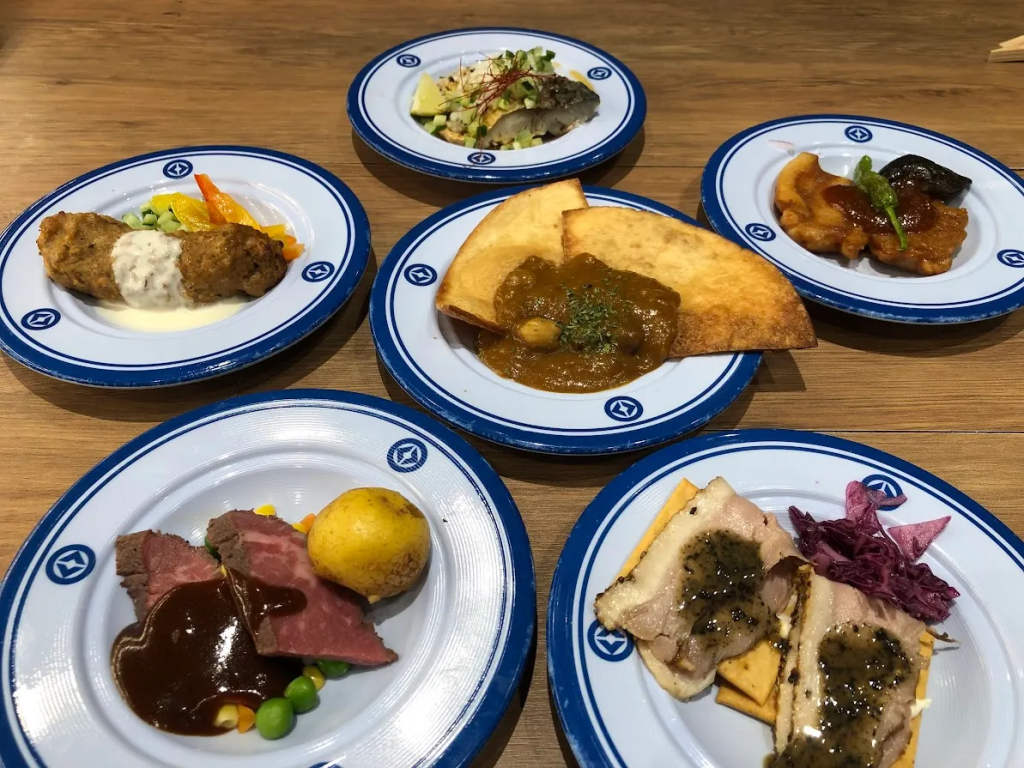
When my husband and two sons went without me, there was only one open seat. My high-schooler took it, enjoyed dishes from around the world at the counter, and later said, “I’m glad I got to try all those international desserts at Kura Sushi!”
From September 5, three of these special dishes are now being served at Kura Sushi branches across Japan. If you’re curious — give them a try!
4) Malaysia’s Roti Canai
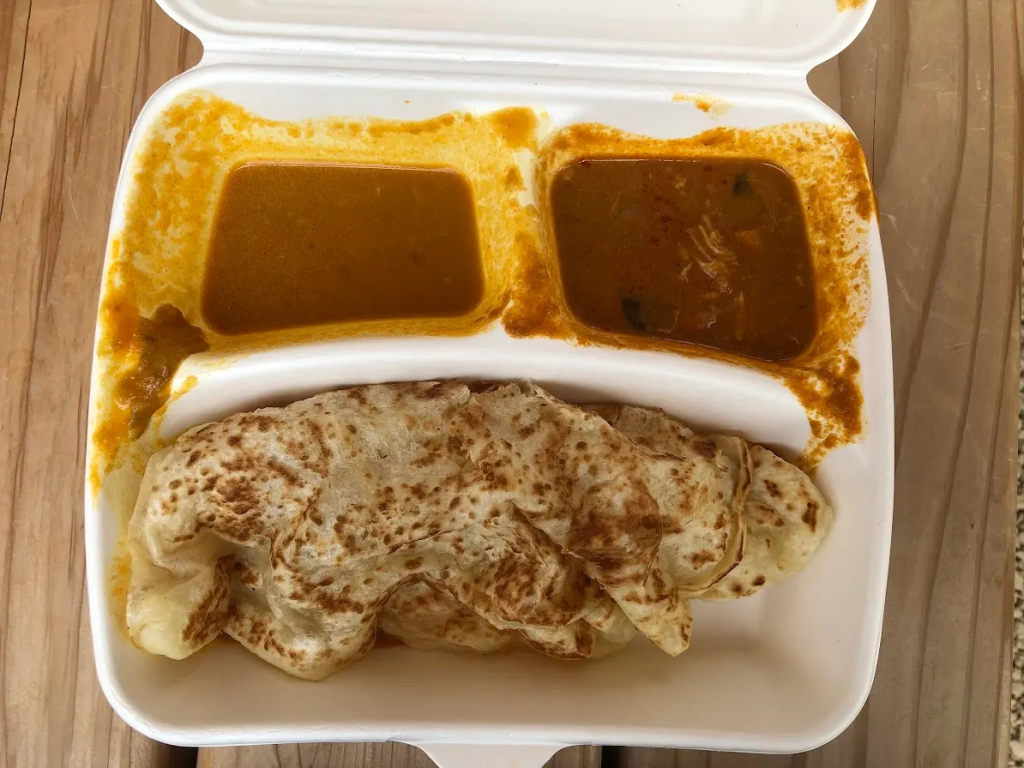
Next is something both tasty and affordable — Roti Canai from Malaysia’s food counter (with tables and chairs).
I love Malaysia and have spent about a month there during summer vacations for two consecutive years, so I’m familiar with local flavors. Still, when I tried Roti Canai at the Expo, I was pleasantly surprised — so easy to eat and delicious!
It’s different from Indian naan — thinner, flakier, and eaten by hand with curry. It’s light enough for a snack or quick lunch. The Malaysia Pavilion has a large food area on the first floor, open even to those not entering the pavilion. You order at the counter, carry your food yourself, and they serve it in sturdy boxes so you can eat inside or outside.
Price: Roti Canai — ¥1,814
5) Kuwait’s Lamb Machboos
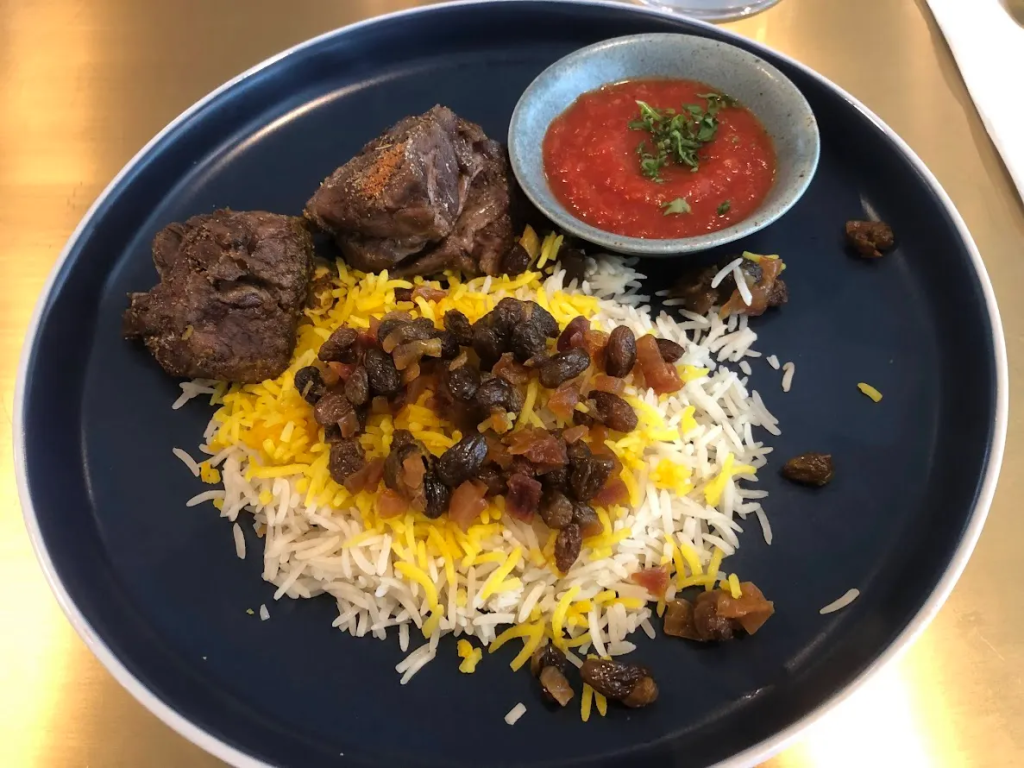
From the start, I’d decided to try dishes from countries far from Japan — foods I rarely encounter in Osaka. The Kuwait Pavilion has a dedicated restaurant, with the pavilion on the left and restaurant on the right. The interior, ceramic plates, and service (including free water) were all excellent.
Since I was alone, I sat at the counter and ordered Lamb Machboos — my first-ever lamb dish. The meat was tender and free of any strong odor, almost melting in my mouth. The tomato-based sauce was mild and delicious — I could’ve eaten more.
When I asked the staff if they often eat lamb, they smiled and said, “Yes, at least once a day — lunch or dinner.” It made me happy to experience Middle Eastern food culture firsthand.
Machboos is a traditional rice dish cooked with lamb, spices, and basmati rice — long, fragrant grains with a completely different texture from Japanese rice. The spice blend includes cardamom, cinnamon, clove, cumin, coriander, turmeric, and paprika — a beautiful harmony of flavors.
Price: Lamb Machboos — ¥4,200 (service charge included)
6) UAE’s Camel Milk and Date Donuts
When visiting the Expo with a friend, we decided to take a break somewhere — and chose the UAE Pavilion. “Let’s pick a country far from Japan,” we said. After about an hour in line, we got in.
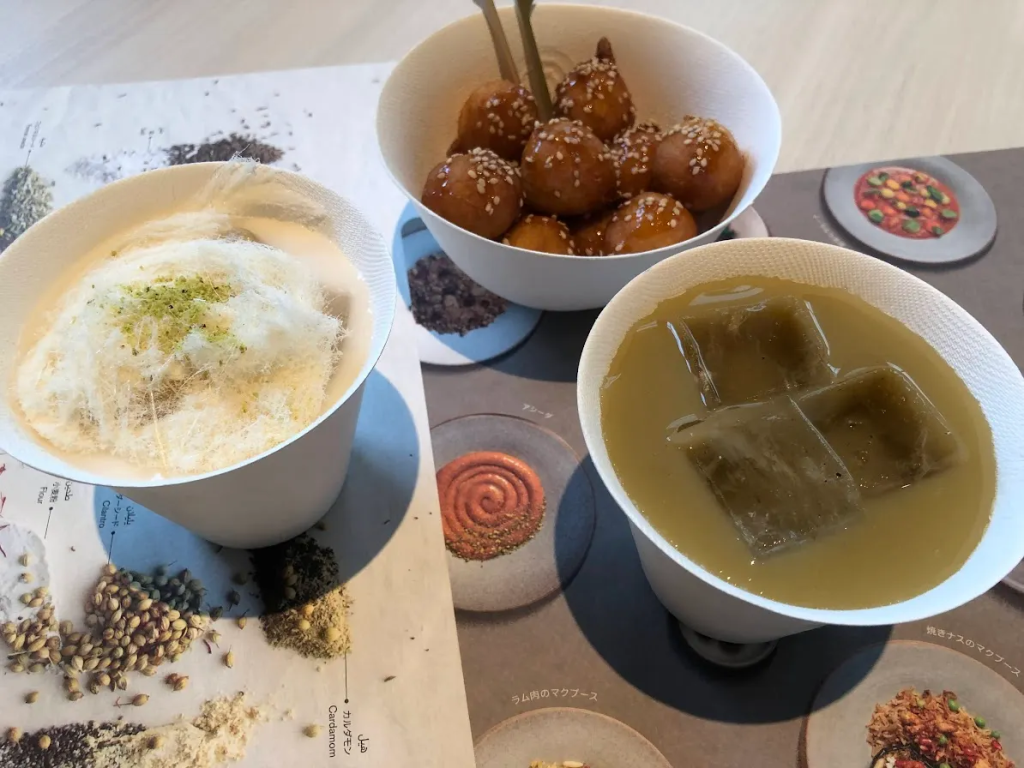
You order at the counter, so we each got a drink and shared a dessert. My friend ordered camel milk, while I chose apple juice. Together we shared Luqaimat, sweet fried dough balls drizzled with date syrup.
Everything was elegant and beautifully presented. The camel milk was fresh and mild, the apple juice naturally tart (no added sugar), and the donuts were simple yet comforting — perfectly paired with the syrup.
Prices:
- Donuts with date syrup (Luqaimat): ¥1,600
- Camel milk & Rahash: ¥1,000
- Apple blend juice: ¥1,000
Through all these dishes — from Kura Sushi’s international bites to pavilions from Asia, Oceania, Europe, the Middle East, Africa, and South America — I feel I’ve traveled the world through flavor.
Every meal brought me closer to the countries behind it. Some, like Belgium’s mussels, became truly unforgettable experiences — ones I now dream of visiting in their home countries someday.
These are the food memories that kept my spirits high throughout the entire Expo season.
If you enjoyed this story, you can read more in my free Osaka–Kansai Expo Guidebook, filled with real stories, photos, and tips from my visits.
It’s completely free to read — I hope it helps you make the most of your Expo adventure!
Written by Narumi Ujit
Narumi teaches Japanese and English in Osaka. She writes about Japan’s culture, travel, and everyday beauty — connecting people through language and curiosity.
Leave a Reply