“If any corporation is using regulatory loopholes to poison our kids with glyphosate, we will find out and we will secure justice” – Attorney General Ken Paxton.
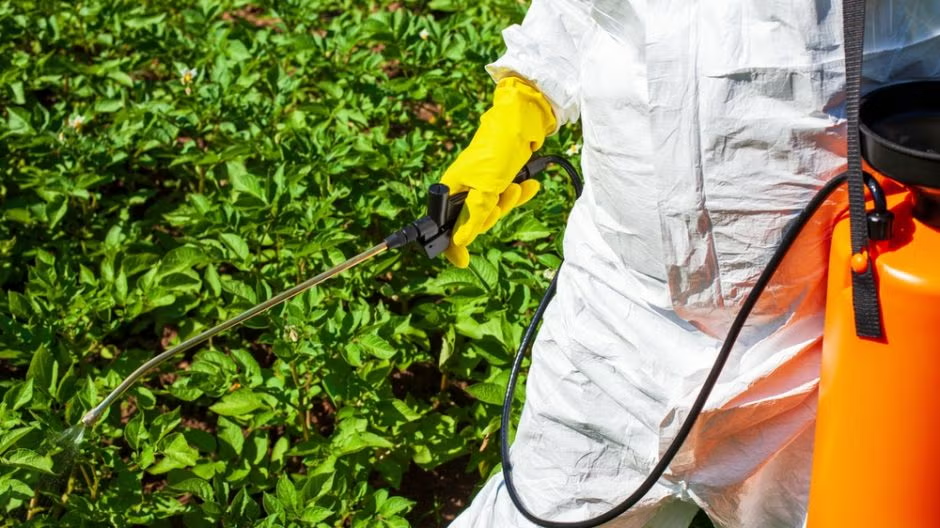
Texas has launched an investigation into the potential presence of the glyphosate chemical in food.
Oats were identified as the possible culprit in the “sweeping investigation” launched by Texas Attorney General Ken Paxton, whose office has issued so-called civil investigative demands to “major pesticide and food manufacturers”.
The attorney general and his team claim that while the Environmental Protection Agency (ETA) bans the use of glyphosate, commonly used in weed killer, as a “desiccant” on oats in the US, “major food companies source their oats from foreign countries where the practice is allowed”.
Paxton said in a statement: “If any corporation is using regulatory loopholes to poison our kids with glyphosate, we will find out and we will secure justice.
“My office is also investigating whether major food companies are complying with Texas law and whether consumers, especially parents, have been misled about the health claims of common food products marketed to their families. No corporation is above the law, and no illegal action will go unpunished.”
Texas identified cereals, breakfast bars and cookies as common food products containing oats, which the attorney general added “make children particularly vulnerable to glyphosate’s harms”.
The state alleged in the statement: “Other products are marketed as ‘healthy’ when manufacturers know their products are contaminated with dangerously high levels of glyphosate.
“Research further indicates that children between the ages of one- and two-years-old have the highest dietary exposure to glyphosate of any population.”
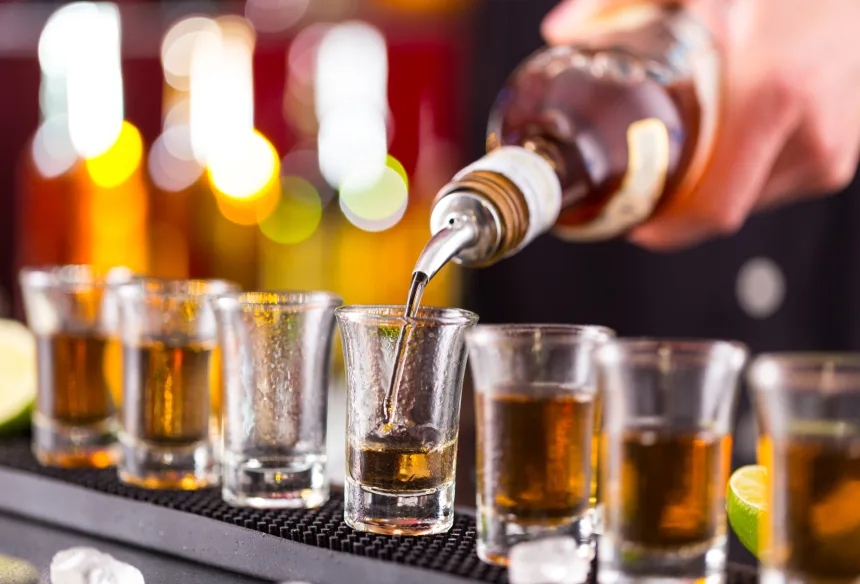
Alcohol can feel deeply entwined in our lives. A beer or glass of wine while catching up with friends. A cocktail at the end of a hard day. A round of toasts at a party.
It’s hard to believe that such seemingly innocent behavior reduces our immunity to infectious disease and raises the risk of cancer and other chronic diseases — but according to science, it does.
“Alcohol is inherently toxic. We use alcohol to disinfect; we use alcohol to kill organisms. So, the question is, is any amount of it safe?” said Dr. Andrew Freeman, director of cardiovascular prevention and wellness at National Jewish Health in Denver.
A growing number of studies say “no.”
In fact, the latest data finds drinking alcohol is directly responsible for 62 different disorders, including alcohol-related heart disease, psychotic disorder, gastritis, ulcers, pancreatitis and fatty liver disease, as well as more well-known conditions such as fetal alcohol syndrome and cirrhosis of the liver.
“These conditions are 100% alcohol attributable, meaning these diseases would not even exist in the world without alcohol use,” said Jürgen Rehm, a senior scientist at Institute for Mental Health Policy Research in Toronto. Rehm has conducted research on alcohol since 2003 in conjunction with the World Health Organization and scientists in the United States, Europe and the United Kingdom.
“There are another 30 diseases in which alcohol plays a role, such as breast and other cancers, heart disease, stroke, diabetes, dementia,” Rehm said. “These diseases would exist even without alcohol use, but alcohol use is responsible for a certain proportion of them.”
The body’s ability to fight infection is impacted as well. Even one drink of alcohol damages the immune system, lowering its ability to battle invaders within 20 minutes of consumption. Chronic drinking may permanently impact critical immune cells.
The health harms of alcohol are greatest for daily heavy drinkers, Rehm says, but there’s a catch. Research often defines heavy drinking as more than 40 grams (1.4 ounces) of pure alcohol a day for women and 60 grams (2.1 ounces) a day for men. A standard drink, at least in the US, has 14 grams (0.6 ounce) of pure alcohol or 1.5 ounces of distilled spirits.
Just think about watching your bartender pour a couple of ounces of spirits into your favorite cocktail and voilà — you could be on your way to being a heavy drinker that day.
Many drinks contain much more alcohol than consumers realize, thus increasing the health risks.
Booze is not limited to hard liquor, either: Red and white wine, beer, hard cider, mead, sherry, port, vermouth and sake all contain alcohol.
Just how do those drinks affect your longevity?
“Our team at the institute worked on a free app which shows how many minutes and days of life are lost with each drink,” Rehm said. “It will also show you how many minutes and days you gain when you stop drinking.”
You see, for all the sobering news of alcohol’s effects on your health, there’s a silver lining. Many of the diseases attributed to alcohol can be slowed, stopped and even reversed if action is taken soon enough. Here’s what science has found so far.
Alcohol and infectious disease
If you’re not aware of the impact of a drink on your ability to fight off infections such as colds, flu and Covid-19, that’s understandable. While the link between alcohol and pneumonia has been known since 1785, large scale discussion on the impact of liquor on immunity began in the 1990s.
Alcohol disrupts the ability of the body’s innate immune system — the one you’re born with — as well as any acquired immunity you’ve developed from exposure to other pathogens. It takes very little alcohol to immediately depress the ability of key white blood cells such as macrophages, neutrophils and natural killer cells to fight viruses, bacterial infections and cancer cells.
One binge drinking episode (typically four or more drinks in a few hours) can disrupt immune response for 24 hours. Long thought to be a problem only in teens and college-age youth, binge drinking is on the rise in the US, especially among women over 30 and adults over 65.
Fortunately, the immediate effects of alcohol on the immune system don’t last long. Depending on levels of consumption, the body bounces back within days to a week, Rehm said.
However, chronic alcohol use can stunt or kill natural killer cells and T-cells, the immune system’s elite strike force, leading to a higher vulnerability to infections such as pneumonia, HIV and tuberculosis. While long-term abstinence can help, experts say some impairments may be only partially reversible, depending on how long and how much alcohol was consumed. In fact, severe alcoholics may become immunocompromised.
Alcohol and cancer
Alcohol is the third-leading preventable cause of cancer in the US after tobacco and obesity, according to former US Surgeon General Dr. Vivek Murthy. He issued an advisory warning in early 2025 that called for an updated warning label on alcoholic beverages.
“Alcohol is a well-established, preventable cause of cancer responsible for about 100,000 cases of cancer and 20,000 cancer deaths annually in the United States — greater than the 13,500 alcohol-associated traffic crash fatalities per year in the US — yet the majority of Americans are unaware of this risk,” Murthy said in a statement.
All types of alcohol contribute to cancer by damaging DNA and increasing chronic inflammation, according to the US Centers for Disease Control and Prevention. For women the top risk is alcohol-associated breast cancer. Colorectal cancer is the most frequently associated cancer related to alcohol among men.
Removing alcohol from your daily life will reverse health harms, experts say, as long as it’s done before permanent damage occurs.
Abstinence will stop the advance of any cancer that is caused by alcohol, but it’s not a guarantee, said Sinclair Carr, a doctoral student at the Harvard T.H. Chan School of Public Health in Boston who is affiliated with the Institute for Health Metrics and Evaluation.
“Cancer takes years to develop. Therefore, you may already have cancer inside of you that was caused by alcohol, and you may still get cancer after stopping,” Carr said. “However, if you do not have any cancer inside of you and you stop drinking, you eliminate the future of any alcohol-attributable cancer.”
Wondering how long it takes to be sure your history of regular drinking did not contribute to cancer?
“About 30 years, the same as for tobacco,” Rehm said. “If you are a relatively heavy drinker, you can think about it like this: One drink is one cigarette. Shocking, isn’t it?”
Of course, the causes of cancer are multifaceted. Still, when it comes to alcohol, cancer is a chronic disease where “stopping drinking may have good outcomes, because a lot of the harm can be reversed,” Rehm said. “The problem is that most people start thinking about stopping when they’re almost beyond the point that they experience the full benefits of reversal.”
Alcohol and brain damage
It used to be said that alcohol kills brain cells, but science today finds it destroys the connections between neurons, leading to brain shrinkage, especially in areas responsible for memory and decision-making.
One of the largest studies to date found three drinks a week raised the risk for dementia by 15% compared to one drink a week. Brain damage caused by alcohol is partly reversible, however, depending on whether the insult to the brain is acute or long-term.
“Imaging studies suggest that cerebral atrophy, the shrinking of brain tissue, may partially recover within weeks to months of stopping drinking, with measurable changes often beginning in the first few weeks,” Carr said. “Cognitive functions such as attention, executive function, and memory can also improve with abstinence.”
However, chronic heavy drinking and binge drinking appears to contribute to longer-term brain changes that are associated with an increased risk of dementia. “The available evidence does not suggest that stopping drinking fully restores someone’s dementia risk to that of a person who never drank heavily,” Carr said.
Alcohol and the heart
But wait, isn’t alcohol good for the heart — the leading killer of men and women worldwide? It is true that many studies have found a “J” shaped relationship between booze and heart health which today’s science has yet to disprove.
Low-to-moderate alcohol consumption — the small flatter part of the “J” — has a slightly positive impact on heart health, according to those studies. As the number of drinks per day rises, however, so does the risk, traveling all the way up the straight line of the “J.”
“Not only does the risk goes up with consumption, but the apparent protective effects on the heart basically disappear in people who also engage in heavy, episodic drinking,” Carr said.
A 2023 study found as little as one alcoholic drink a day increased systolic blood pressure — the top number in a blood pressure reading. Drinking alcohol if you have high blood pressure nearly doubles the risk of serious liver damage, while drinking if you have a large belly or diabetes more than triples the risk, according to a February 2025 study.
“I think there’s enough evidence now that drinking may be more harmful than beneficial,” said Freeman, the heart disease prevention cardiologist. “Most of the professional societies tell people not to start drinking, drink as little as possible if they do drink, or stop drinking altogether.”
Adding ultraprocessed foods to an otherwise healthy meal may still contribute to dementia.
Increasing your daily consumption of ultraprocessed foods by 10% — basically the equivalent of a small bag of potato chips — may raise your risk of dementia even if you normally eat a healthy plant-rich diet, according to a new study.
Ultraprocessed foods, or UPFs, make up about 53% of all calories consumed by adults in the United States, according to the latest data from the US Centers for Disease Control and Prevention. Children in the United States obtain nearly 62% of their energy from UPFs, the CDC found.
“Our study showed that UPF consumption was associated with worse attention and higher dementia risk in middle-aged and older adults,” said lead author Barbara Cardoso, a senior lecturer of nutrition dietetics and food at Monash University in Melbourne, Australia.
The study could only show an association, not a direct cause and effect. However, “this association was not changed by adherence to the Mediterranean diet, indicating that this is linked to food processing rather than simply food displacement,” Cardoso said in an email.
The research is an “important addition” to the growing evidence base showing the potential harms of ultraprocessed foods on the brain, said Dr. W. Taylor Kimberly, a professor of neurology at Harvard Medical School in Boston, who was not involved in the study.
Kimberly was the senior author of a similar study published in January that found increasing ultraprocessed food intake by 10% raised the risk of cognitive impairment by 16% even if people ate mostly plants.
“Together these studies highlight that higher UPF consumption is consistently associated with poorer cognitive performance,” Kimberly said in an email.
There is a “silver lining” for people who commit to lowering their UPF intake over the long haul, Kimberly added. His study found replacing UPFs with more minimally processed and whole foods over a five- to six-year period was linked with a 12% lower risk of cognitive decline.
An April study found adults in their 50s and 60s who cut many unhealthy foods from their diet over a decade had an 11% lower risk of Alzheimer’s disease and dementia when compared with adults whose diets didn’t change.
Real versus predigested food
The award-winning Mediterranean diet, which emphasizes whole grains, fruits and vegetables, beans, seeds, nuts and extra-virgin olive oil, has been shown to reduce risk for cancer, diabetes, heart disease, stroke and dementia, especially for people with two copies of the APOE4 gene, a key risk factor for Alzheimer’s disease.
Other highly respected plant-rich diets, such as the DASH diet and the MIND diet, also focus on consuming whole foods while limiting sugar, red meat and ultra processed foods. They too have been linked to improvements in health — blood pressure, cholesterol, diabetes and overall heart health — all of which can also improve the brain.
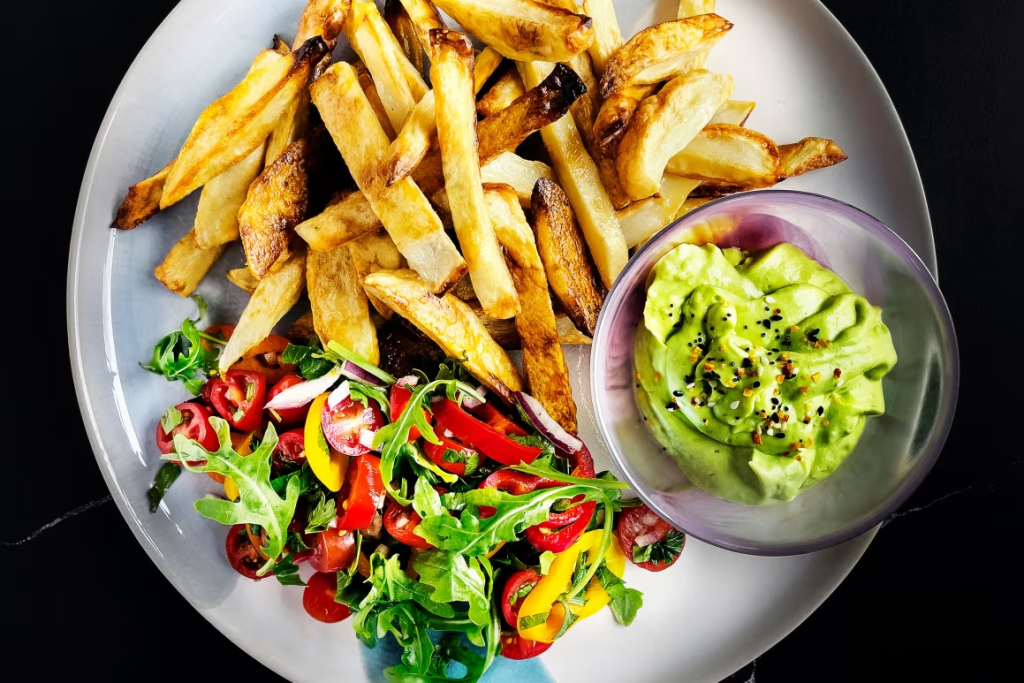
Ultra processed foods, however, contain little to no whole food. Instead, whole grains and foods are dissembled into molecules which, with the help of artificial colorings, flavorings and gluelike emulsifiers, are heated, pounded, shaped or extruded into any food a manufacturer can dream up.
Such “predigested” foods, which are often full of sugar, salt and fat, may lack critical nutrients needed for a healthy body and brain, experts say.
A 2022 study of 10,000 people found those who ate the most ultra processed foods had a 25% faster rate of executive function decline and a 28% faster rate of overall cognitive impairmentcompared with those who ate the least amount of ultra processed food.
Studies on the overall health dangers of eating UPFs are piling up. According to a February 2024 review of 45 studies encompassing some 10 million people, eating 10% more ultra processed foods raised the risk of developing or dying from dozens of adverse health conditions.
That 10% increase was considered “baseline,” and adding even more ultraprocessed foods might increase the risk, experts say.
There was strong evidence that a higher intake of ultraprocessed foods was associated with about a 50% higher risk of cardiovascular disease-related death and common mental disorders, according to the review.
Researchers also found highly suggestive evidence that eating more ultraprocessed foods raised the risk of obesity by 55%, sleep disorders by 41%, development of type 2 diabetes by 40% and the risk of depression by 20%.
Attention span and dementia risk
The new study, published Friday in the journal Alzheimer’s & Dementia: Diagnosis, Assessment & Disease Monitoring, asked more than 2,100 Australians between the ages of 40 and 70 to complete a food diary that captured their diet over the past year. Approximately 42% of the typical Australian diet comes from ultra processed foods.
Participants also were asked to undergo cognitive testing to evaluate their ability to pay attention and how quickly they were able to process new information. No one had dementia at the start of the study.
“For every 10 per cent increase in ultra-processed food a person consumed, we saw a distinct and measurable drop in a person’s ability to focus,” Cardoso said via email. “In clinical terms, this translated to consistently lower scores on standardized cognitive tests measuring visual attention and processing speed.”
Attention span is the foundation for many important brain operations, such as learning and problem-solving, the study said. A direct association between UPFs and memory was not found; however, the study did estimate overall mental decline using a validated scoring tool that predicts 20-year dementia risk among middle-aged people.
Each 10% increase in daily UPF consumption was linked to an 0.24 point increase in dementia risk as measured by a scale from 0 to 7 points. Eating ultraprocessed pancakes for breakfast, chips with lunch, a bag of cookies for a snack and a pizza for dinner could quickly add up.
Removing ultraprocessed foods from your diet could reduce risk, especially if done before neurological complications set in, Cardoso said.
“Midlife is a stage that offers a key opportunity to address modifiable risk factors before neuropathological compatible with dementia changes develop,” she said.
“UPFs have been associated with negative changes in the endocrine system and the gut microbiota, and these could lead to negative neurological outcomes,” Cardoso said. “Further, UPFs have been linked to known cardiovascular risk factors for dementia, such as diabetes, hypertension, obesity and high LDL cholesterol, and as such could indirectly impact cognitive health.”
Peabo Bryson, seen here in 2015 in Atlanta, died on Tuesday, according to a statement from his family.
Peabo Bryson, whose smooth tone and operatic control produced classic Disney hits as well as R&B standards, has died, according to a statement from his family. He was 75.
The statement said he died Tuesday evening “surrounded by the love of his family and those closest to him.”
Bryson is best known for contributing his talents to the Oscar-winning Disney duets “Beauty and the Beast,” sung alongside Celine Dion, and “A Whole New World,” sung with Regina Belle for the animated film “Aladdin.”
He’s also known for songs like “Feel the Fire” and “Can You Stop the Rain,” among others.
Belle said she visited Bryson in the hospital on Sunday after he had suffered a stroke, when she “held his hand and sang in a whisper, “A Whole New World” and “Total Praise,” our version of the song that Peabo and I recorded.”
“The hardest part of this moment is knowing that I will never be able to sing again with the person who helped me create such magic,” Belle said. “Peabo was far more than a legendary artist; he was my friend, my trusted collaborator, and someone whose talent, kindness, and generosity left an indelible mark on my life and career.”
Born Robert Peapo Bryson in Greenville, South Carolina, in 1951, Bryson was in his early teens when he began singing background for older singers. It was some of those singers’ inability to pronounce “Peapo” that led him to the name “Peabo” Bryson.
At the age of 16, he left home to tour with Moses Dillard and the Tex-Town Display. where his soulful sound was featured on their singles “Cry Like a Baby” and “Bring Your Dreams to Me.”
Things changed when Bryson caught the attention of Eddie Biscoe, who was the general manager of Atlanta’s Bullet Records. Impressed with his vocals, Biscoe encouraged the young singer to go solo and signed him to work as an arranger, producer and writer.
In 1976, Bryson released his self-titled debut album, which Biscoe executive produced.
Two years later he left for Capitol Records and released his “Reaching for the Sky” album, which went gold.
Recognizing that Bryson paired well with female singers (something that would bring him even more success later in his career), the label linked him with another of their artists, Natalie Cole, for the 1979 project “We’re the Best of Friends.” A year later he worked with Roberta Flack for “Live & More.”
The later 1970s were good for Bryson as a solo artist, since he released several popular songs including 1977’s “Feel the Fire” and “Reaching for the Sky,” and 1978’s “I’m So into You” and “Crosswinds.”
In 1981, “Let the Feeling Flow” made Bryson a mainstay of R&B radio, and he and Flack again worked together on 1983’s “Born to Love,” which featured the hit “Tonight, I Celebrate My Love.”
Elektra Records came calling and signed Bryson, giving him a hit that became one of his signature tunes, 1984’s “If Ever You’re in My Arms Again,” which crossed over to the top 10 pop singles chart. Bryson crooned his 1991 hit “Can You Stop the Rain,” which became a standard “quiet storm” jam on the radio.
But it was Disney’s animated films and his talent for pairing well with strong female singers that won Bryson his only two Grammys back to back.
His hit ballad “Beauty and the Beast” with superstar singer Celine Dion for the “Beauty and the Beast” soundtrack won the best pop performance by a duo or group with vocal in 1993, and he replicated that win the following year with Regina Belle for “A Whole New World (Aladdin’s Theme)” for the “Aladdin” film.
The two songs also both earned best original song Oscars at the Academy Awards.
In 2010, Bryson married British singer Tanya Boniface, who is a former member of the girl group The 411. The pair welcomed a son in 2018, who was seen singing with Bryson in a social media video shared in 2024.
The artist suffered a heart attack in 2019, and in May 2026 it was announced that he had been hospitalized following a stroke.
“While our hearts are broken, we find comfort in knowing how deeply Peabo was loved and how many lives were touched by his voice and his generous spirit,” his family statement read on Tuesday. “His legacy and music will live on for generations to come.”
This story has been updated with additional information.
Britney Spears, seen here in 2019, pleaded guilty on Monday to a lesser charge in her DUI case, a move that will help her avoid jail time. Valerie Macon/AFP/Getty Images
Britney Spears pleaded guilty through her lawyer Monday to a lesser charge that will allow her to avoid jail time after California prosecutors accused her of driving under the influence of alcohol and drugs.
The 44-year-old pop star didn’t appear in Ventura County court. But on her behalf, her lawyer, Michael A. Goldstein, agreed to plead to what’s commonly called a “wet reckless.” That allows her to be sentenced to a year of probation, a required DUI class and state-mandated fines.
The plea offer was standard for defendants with no DUI history, no crash or injury on the road, and a low blood-alcohol level, the county district attorney’s office said. And it’s especially common for defendants who have shown motivation to address their problems and seek treatment, as Spears did when she voluntarily checked in to a substance abuse treatment center in April.
During Monday’s hearing, Spears received summary probation, which is informal and doesn’t involve mandatory meetings with a parole officer. She temporary yielded her Fourth Amendment search and seizure rights if she is pulled over, meaning she must automatically yield to searches and sobriety tests. At her lawyer’s request, the judge ruled this would not apply to her home.
District Attorney Erik Nasarenko said after the hearing that Spears had taken “full responsibility,” but he emphasized that DUI is a “serious crime” and said it was essential that she follow the requirements agreed to in court, which include continued substance abuse treatment, weekly visits with a therapist and monthly visits with a psychiatrist.
“We do not want Miss Spears to reoffend,” Nasarenko said.
She was charged Thursday with one misdemeanor DUI count, which meant she was not required to appear in court for her arraignment. But her representatives hadn’t said whether she would appear, and the hearing drew an unusually heavy media turnout for Ventura, a seaside city of about 110,000 people roughly 70 miles (113 kilometers) northwest of downtown LA.
The singer has a home in Ventura County near where she was arrested on March 4. A representative at the time called her actions inexcusable and said the arrest would ideally lead to overdue change in her life. Spears and her representatives have not commented since she was charged.
She was pulled over for driving her black BMW quickly and erratically on U.S. 101, the California Highway Patrol said. She appeared to be impaired, took a series of field sobriety tests, was arrested and was taken to jail, the CHP said.
Authorities said in the criminal complaint that Spears had alcohol and drugs in her system, but they didn’t specify which drugs or list her blood alcohol content.
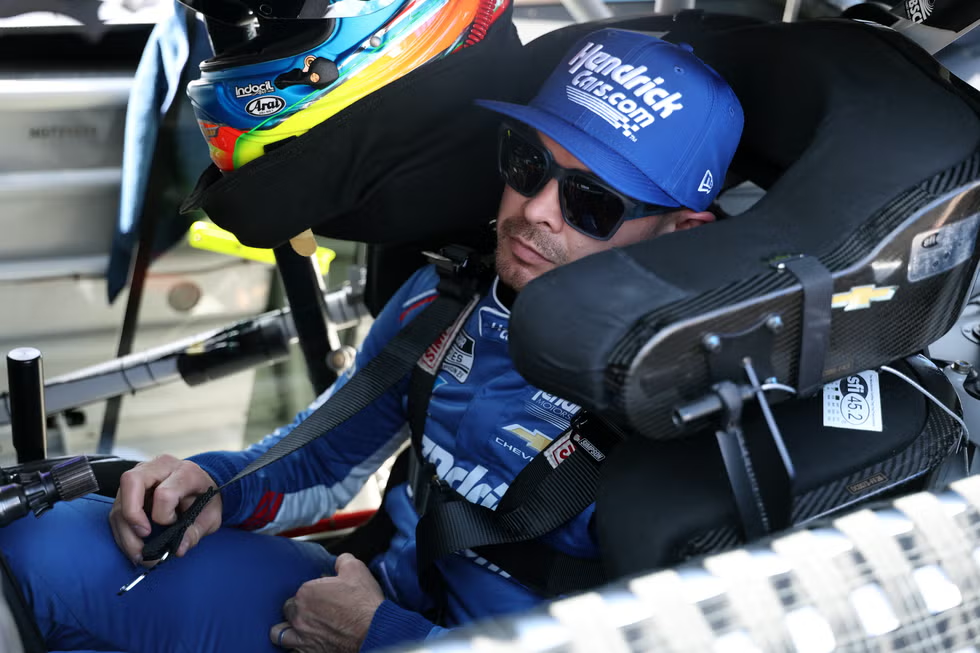
The 2021 Cup champion returns to the track where he earned his first NASCAR Cup victory looking to snap a 38-race drought.
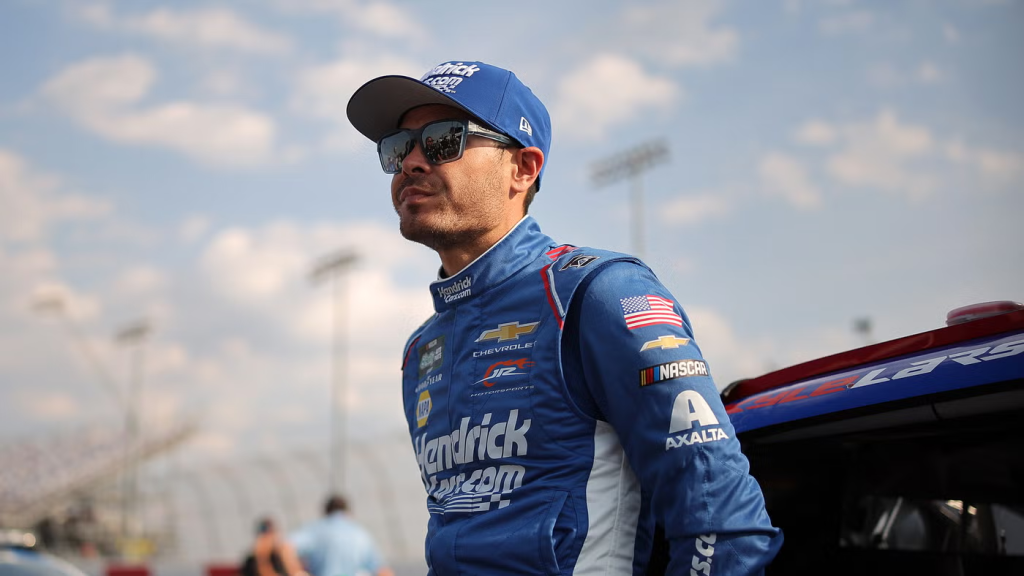
Kyle Larson has pleasant memories of Michigan International Speedway.
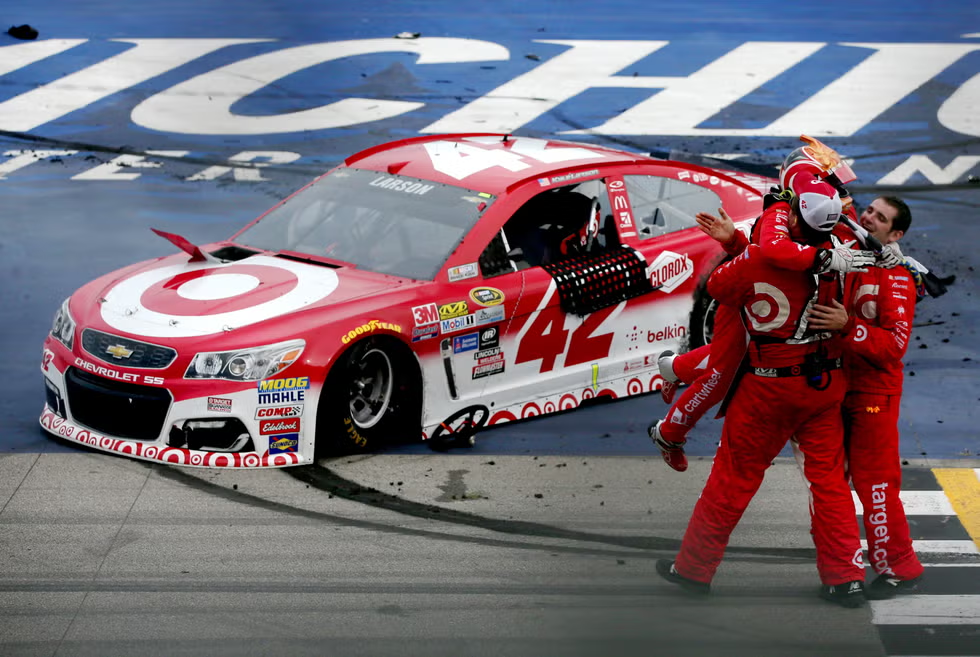
On August 28, 2016, Larson, then driving for team owner Chip Ganassi, scored the first NASCAR Cup Series win of his career at Michigan, outrunning future teammate Chase Elliott by 1.47 seconds to finish first in the Pure Michigan 400.
The first of 32 Cup wins would launch Larson onto a run that eventually would lead to two Cup championships.
But, as teams prepare for Sunday’s FireKeepers Casino 400 at MIS, Larson remains in a puzzling slump, his winless streak now reaching 38 races, his longest since joining Hendrick Motorsports in 2021.
Larson has finished runner-up four times since his last victory. He seemed headed for bigger things last week at Nashville Superspeedway, leading 56 of 300 laps and sitting out front for big chunks—23 and 32 consecutive laps—of the race. But he finished 23rd in the wacky late-race scramble.
Larson has only one top-20 finish in the past five races.
MIS could be the answer to Larson’s troubles, but it’s a big hill to climb. Chevrolet teams haven’t won at the track since Larson scored there in August 2017.
“I am motivated everywhere, but it’s going on several years since I have won at Michigan, so I would love to find Victory Lane again,” Larson said. “I feel like every time I’ve gone to Michigan, we’ve been really good. I’ve been close to winning a couple different times – just haven’t done it.”
Hendrick Motorsports, the Cup Series’ all-time winningest team, has found the sledding tough at MIS. Hendrick cars haven’t won there since 2014, when a guy named Jeff Gordon scored. Across that time span, Hendrick has won 95 Cup races at 27 different tracks.
Hendrick is fifth on the list of all-time winning teams at MIS with eight wins.
Ford drivers have won nine of the past 11 MIS races, a major feather in the hat for the Blue Oval with car manufacturers headquartered in and around nearby Detroit.
Kyle Larson celebrates with crew members after winning his first NASCAR Sprint Cup Series race at Michigan International Speedway in 2016.
Larson has three wins at Michigan, matching his career-best total at Kansas, Bristol and Las Vegas. He scored those victories while driving for Ganassi.
Although Larson has found Victory Lane difficult to crack across more than a year, he sits sixth in the current Cup point standings, the highest position of all non-race winners this year. He has four stage wins and has scored more stage points (122) than all drivers other than point leader Tyler Reddick (124) and second-place Denny Hamlin (123).
Qualifying for Sunday’s race is scheduled at 6:10 p.m. Saturday.
The sedan was meant to launch Lexus’ next-generation electric lineup and showcase advanced manufacturing technologies.
The Lexus LF-ZC was its flagship, its next-generation electric vehicle that was supposed to rocket launch the automaker’s battery-electric ambitions while showcasing a host of advanced manufacturing technologies designed to make Toyota more competitive with EV leaders such as Tesla. Instead, the Japanese automaker gave it the ax.
The decision marks a big step back from plans unveiled in 2023, when Lexus placed the LF-ZC sedan at the center of a new family of EVs. The production version was slated to launch this year and play a starring role in Lexus’ goal of selling up to 1 million EVs annually by 2030 while transitioning to an all-electric lineup by 2035.
Toyota said the cancellation was decided on after a companywide review of vehicle programs, reports Automotive News.
The move isn’t exactly surprising, coming as many automakers across the industry have been rethinking their EV investment and goals. Honda, Mazda, and Subaru have all scaled back or delayed EV programs in recent months, while US domestic automakers have all slowed their electric rolls since demand softened and government incentives were eliminated.
The LF-ZC (for Lexus Future Zero-emission Catalyst) debuted alongside the LF-ZL crossover concept at the 2023 Japan Mobility Show. It demonstrated advanced production techniques including gigacasting, a process pioneered by Tesla, as well as self-propelled vehicles on factory lines, and modular assembly systems.
The automaker insists it remains committed to battery-electric vehicles despite killing off the LF-ZC.
And yet rather than investing in dedicated EV architectures, Lexus increasingly has turned its focus more to platforms that can spin off multiple powertrains variants, most notably, hybrid electric vehicles.
Toyota and Lexus sold 188,785 EVs globally in the fiscal year ended March 31, up 31 percent from a year earlier but still accounting for just 1.8 percent of the company’s worldwide sales volume.
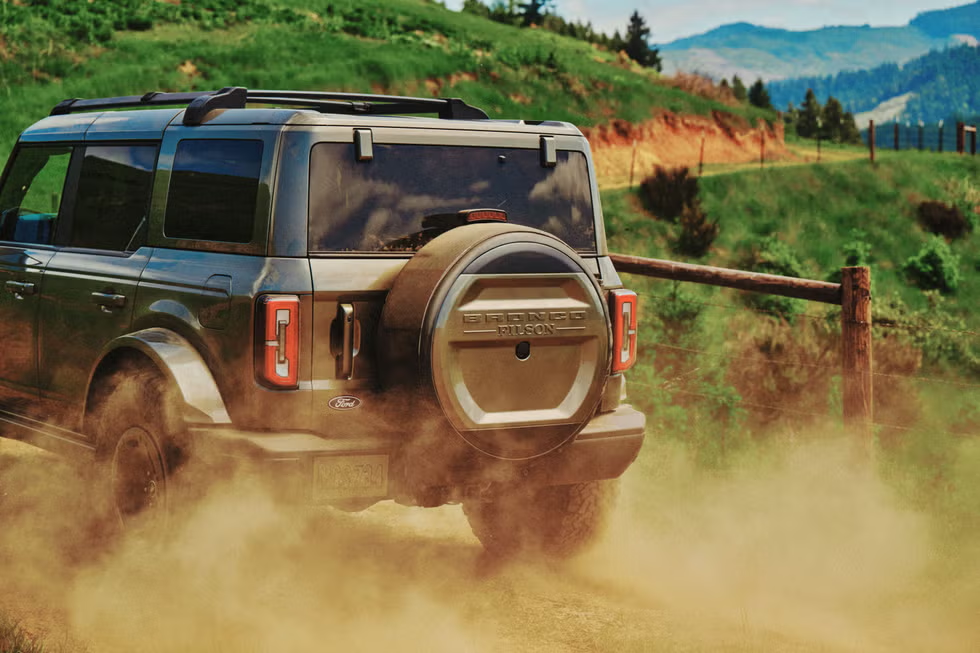
Ford built a Bronco for people who own both waders and AirPods, mixing rugged trail gear with upgraded comfort, reduced noise, and a premium outdoor aesthetic.
Ford will add the new Filson to its Bronco lineup early next year.
Coming off-road-ready with big tires, meaty diffs, and it’s own take on the Bronco Raptor’s V6 engine, the beast also gets refinements to make it quieter.
Look for it in early 2027 priced in the mid-70s.
The Ford Bronco will get yet another new edition early next year, after the 2026 Bill Stroppe Edition, Heritage Edition, and 60th Anniversary Edition. This one will be called the Filson Edition. Yes, Filson.
The coming Bronco Filson gets new trim, softer suspension, and added sound insulation, along with, most impressively, its own version of the 3.0-liter turbocharged V6 as the current Raptor, which makes 418 ponies there, though horsepower specs were not released for the Filson rig.
But just because it’s getting new trim, softer suspension, and better sound insulation doesn’t mean it’s getting civilized. Ford fears that might dent its rugged reputation. The Blue Oval wants to make sure no one says that the Bronco Filson is more civilized than the rest of the Bronco line.
“This is not luxury,” said chief engineer Ed Krenz, with practiced adamance.
Well then, if it’s not luxury, what is it? And first of all, what the heck is a Filson?
C.C. Filson’s Pioneer Alaska Clothing and Blanket Manufacturers began making outdoor gear in 1897 for rugged miners heading north to the Klondike Gold Rush. That company’s still in business, with a small manufacturing facility and store in Seattle, other stores across the US and Canada, and even two in Italy. While most Filson clothing manufacturing has been offshored, Filson maintains an authentic, outdoorsy, American vibe—picture men in hats posing next to strings of trout, or over a downed deer.
You may recall the Ford Eddie Bauer Edition Explorers, Expeditions, Broncos, F-150s, and even Aerostars and Taurus Xs. Eddie Bauer was another 100-year-old Seattle clothing manufacturer that licensed itself to Ford. But after Eddie Bauer declared bankruptcy in 2009 and again in 2026, Ford needed another rugged outdoorsy brand with which to align itself. Enter the Filson.
Ford says the Bronco Filson gets:
The Sasquatch off-road package with front and rear electronic-locking differentials.
Standard high-performance Fox shocks with internal bypass technology to improve off-road durability and reduce harshness over rocky terrain.
Standard 35-inch rugged-terrain tires—the largest of any premium 4×4 SUV that help reduce road noise without sacrificing off-road grip.
Standard Trail Turn Assist to tighten off-road turning radius.
Trail 1-Pedal Drive for “precise and confident” slow-mode rock crawling.
Terrain Management System to navigate any type of terrain.
Seven driver-selectable modes including Normal, Eco, Sport, Slippery, Baja, Off-Road, and Rock Crawl for off-road driving.
And that proven 3.0-liter EcoBoost V6 shared with the Bronco Raptor and refined with application-specific tuning. Output was not listed but in the Raptor it gets 418 hp.
So it’s a pretty capable off-roader to begin with. But the Bronco in general is loud and a little crude, like your friend from high school who insists you meet for drinks. You, and some Bronco buyers, may be ready to trade up for some refinement.
So Filson offers improved external airflow, acoustic glass, and enhanced seals to reduce wind and road noise almost 20 percent versus the 2021 Bronco, “…creating a more refined, comfortable space for conversation, music, and the journey ahead.”
There are also ventilated front seats, heated rear seats, and an upgraded Bang & Olufsen-branded audio system to take advantage of the new quiet. In fact, Ford says, “…the Bronco Filson offers a quiet, climate-controlled retreat when the weather outside turns harsh.”
Just don’t call it “civilized.”
Inside, the Filson gets handy, soft-sided storage bags throughout, a new digital rearview mirror to see over all the gear, power running boards, a new grille, painted wheel arches, painted mirror caps, and exclusive trail sights on the outer corners of the hood that serve as tie-downs for securing longer items like canoes and moose carcasses.
A First Edition model will come slathered in exclusive Iron Sands Copper Metallic exterior paint, a unique fender badge, a custom serialized console badge commemorating the collaboration, and its own Filson-inspired cargo storage bags.
Pricing wasn’t announced but expect it to start in the mid-70s. You can place an order this fall, and deliveries will start in early 2027. Sounds like a civilized plan.
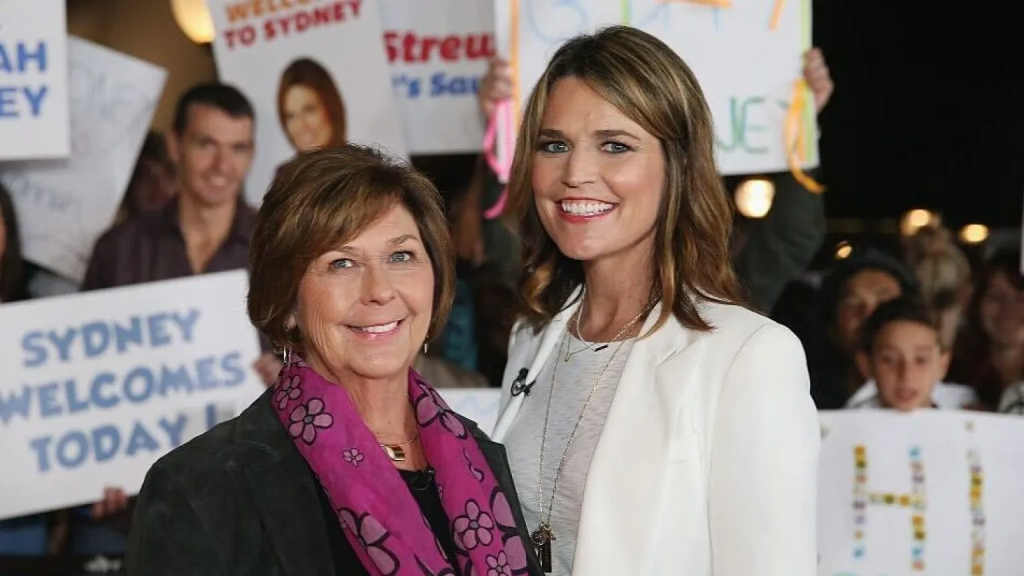
Savannah’s mother, Nancy, has been missing since February 1. Get updates on her disappearance here as the FBI reviews a DNA sample collected from her home.
Savannah Guthrie and her family have been managing a crisis for more than three months now. Her mother, Nancy Guthrie, is missing and was last seen outside of her Tucson, Arizona, home on January 31, 2026. As updates on the case emerge, Today show viewers are hoping that authorities find Nancy as soon as possible.
In a previous statement shared by Today, Savannah said, “On behalf of our family, I want to thank everyone for the thoughts, prayers and messages of support. Right now, our focus remains on the safe return of our dear mom.”
The media personality made sure to thank the authorities “for their hard work on this case” and encouraged “anyone with information to contact the Pima County Sheriff’s Department at (520) 351-4900.”
As the investigation continues past the 100-day mark, authorities are still reviewing surveillance footage, forensic evidence, and DNA findings alongside the FBI. Savannah also shared an emotional Mother’s Day message in May 2026, writing that her family “will never stop looking” for Nancy. Below, get updates on Nancy’s whereabouts and the ongoing missing persons investigation.
How Old Is Savannah Guthrie’s Mom Nancy? Her Age
Nancy is 84 years old.
Is Nancy Guthrie Sick? What We Know About Her Health
According to Pima County Sheriff Chris Nanos, Nancy “is not in good physical health” amid her disappearance. However, Sheriff Nanos pointed out that Nancy has “no cognitive issues at all” and is “very alert, she’s of good, sound mind” during a press conference.
Has Savannah Guthrie’s Mom Nancy Guthrie Been Found Yet?
At the time of publication, Nancy has not been found yet. Sheriff Nanos said during a press conference on February 2 that the scene at Nancy’s Tucson home was “very concerning” and of “grave concern,” prompting authorities to act quickly. Law enforcement used drones, airplanes and helicopters in their search for Nancy.
The possibility of foul play has not been ruled out in Nancy’s missing persons case. “I hope we find her safe and sound, but we can’t ignore what’s in front of us,” Sheriff Nanos told reporters.
The sheriff told the public on February 2 that Nancy’s home is considered a crime scene. “She did not leave on her own, we know that,” he added.
According to the Los Angeles Times, authorities found blood inside Nancy’s home, and they believe she may have been taken in the middle of the night. Multiple outlets later reported that Nancy’s pacemaker stopped syncing with her Apple devices on February 1.
On February 3, the FBI announced its involvement in the search for Nancy alongside local law enforcement during a press conference. The next day, Savannah and her siblings posted an emotional Instagram video pleading with the kidnapper to release their mother.
On February 13, police detained three people at a Tucson residence after conducting a raid. The home is roughly two miles away from Nancy’s.
However, no one has remained in custody, and police still have not identified a suspect. One man, however, was detained following a traffic stop outside of a restaurant in Arizona. Sheriff Nanos told reporters he was their “person of interest” but was since released.
The FBI increased its reward to $100,000 for the public’s information about Nancy’s disappearance. On February 24, Savannah announced that she had increased the reward to $1 million.
In March, Nanos spoke with NBC News about Nancy’s shocking disappearance. “We believe we know why [the kidnapper] did this and we believe that it was targeted, but we’re not 100 percent sure of that,” Nanos explained. “So it’d be silly to tell people, ‘Don’t worry about it. You’re not his target.’ You could be. Don’t think for a minute that because it happened to the Guthrie family, you’re safe. No. Keep your wits about you.”
On March 22, Savannah and her siblings released another statement asking for “renewed attention” to their mother’s case.
“It’s possible a member of this community has information that they do not even realize is significant,” the family told Arizona station KVOA – News 4 Tucson. “We hope people search their memories, especially around the key timelines of January 31 and the early morning hours of February 1, as well as the late evening of January 11. We desperately ask this community for renewed attention to our mom’s case − please consult camera footage, journal notes, text messages, observations or conversations that in retrospect may hold significance. No detail is too small. It may be the key.”
In May 2026, authorities said they are getting “closer” to solving the case as forensic evidence continues to be analyzed. Officials also confirmed that human remains discovered near Nancy’s home in spring 2026 were unrelated to the investigation.
Was a Ransom Note Involved in Nancy Guthrie’s Disappearance?
On February 3, TMZ reported that an alleged ransom note had been sent to the outlet that day, demanding millions in Bitcoin. The note further demanded that the money be sent to a specific Bitcoin address, which the outlet reported it had verified was real. TMZ forwarded the alleged ransom letter to the Pima County Sheriff’s Office.
The Pima County Sheriff’s Office told CBS News that a ransom note was sent to a local Arizona news station. It’s unclear if it contained the same details as the one TMZ obtained.
The FBI confirmed on February 5 that a ransom note delivered to multiple media outlets had a deadline that same day for 5 p.m.
“If a transfer wasn’t made, the second demand was for next Monday,” FBI Phoenix Special Agent in Charge Heith Janke said at a press conference on February 5. “I’m not going to go beyond that.”
TMZ’s Harvey Levin told Sean Hannity that the apparent ransom note the outlet received claimed that Nancy was “safe but scared” and was aware of the “demand” the perpetrators have.
Are There Any Suspects in Nancy Guthrie’s Disappearance?
No, at the time of publication, there are still no suspects. The sheriff also shut down unverified rumors about Savannah’s brother-in-law Tommaso Cioni. Authorities also clarified that all Guthrie family members were cleared in the case.
On February 10, the FBI released black-and-white surveillance footage of the suspect on Nancy’s property. The individual was wearing a mask with black gloves.
That evening, authorities pulled over a man only identified as Carlos during a traffic stop in Arizona. He was quickly released after questioning and told reporters he had no idea who the Guthrie family was.
“I hope they get the suspect because I’m not it,” he said.
The sheriff’s department announced on February 17 that the DNA found on the black gloves recovered near Nancy’s home did not match anyone in the national crime database.
On April 16, the FBI began looking at a DNA sample of a rootless hair. It’s unclear whose hair it is at the time of publication, but multiple outlets reported the supposed breakthrough. An FBI official, however, told ABC News that it was not new evidence.
“There is no new DNA evidence in the Nancy Guthrie case,” the official said. “The FBI requested this material over two months ago. The Pima County Sheriff’s Office sent it to a private lab in Florida. Eleven weeks later, that lab has now transferred an original hair sample to the FBI Laboratory for testing. We remain fully committed to this investigation.”
Is Savannah Guthrie Back on the Today Show?
Yes, Savannah officially returned to Today on April 6, 2026, after taking a roughly two-month leave of absence amid the search for her missing mother.
Savannah briefly exited a live broadcast of Today on May 6. However, she returned to the show the following morning and appeared alongside her co-hosts as usual.
Olivia Rodrigo is hard at work promoting her new album!
The 23-year-old Grammy-winning singer was greeted by fans as she arrived at the BBC Studios for an interview on Thursday morning (June 4) in London, England.
For her outing, Olivia looked pretty in a black and white polka mini-dress under a bright green cropped sweater vest paired with white thigh-high socks and black heels.
Olivia will soon be releasing her third studio album, titled You Seem Pretty Sad for a Girl So in Love, on June 12.
In a new interview with Dazed Digital, the “drop dead” singer revealed the artists she would like to work with one day.
“I’ve been listening to a lot of PJ Harvey lately. And Fiona Apple,” Olivia shared. “I think those two were just doing something so special and raw and unfiltered. I would love to meet and hang with them.”
When the interviewer mentioned that some people want her to collaborate with Sabrina Carpenter (who she was previously rumored to have feuded with), Olivia laughed and said, “Oh, gosh. I mean, I’m open… I’m open to all types of collaboration.”
Also in the interview, Olivia addressed the Trump administration using one of her songs in a pro-ICE video.